
Follow the rhythm of the arches
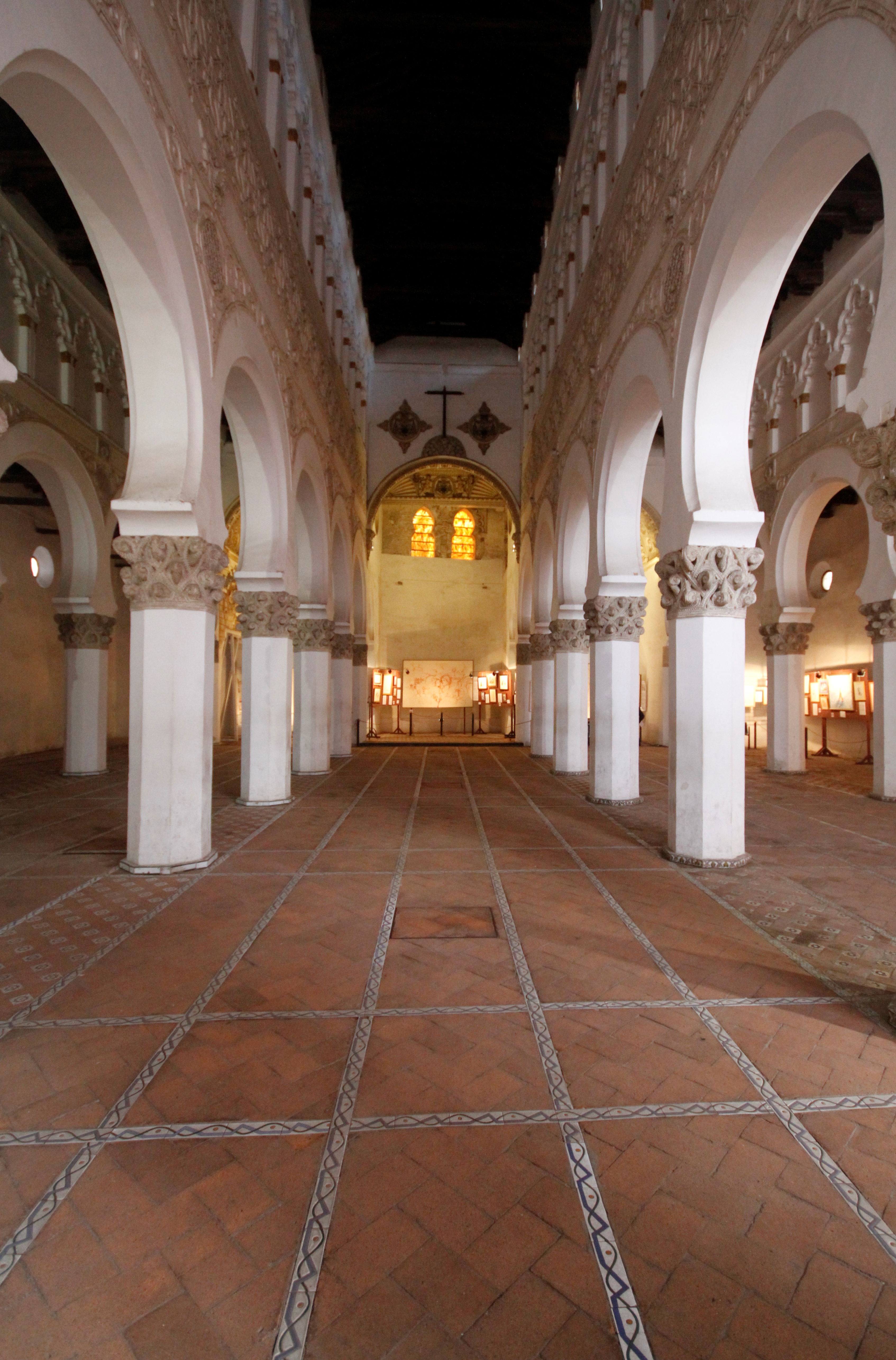
Look along the five aisles to see the repeated horseshoe arches, then change position to appreciate the depth created by the columns.
Santa María la Blanca brings a different scale and atmosphere to a walk through Toledo’s Jewish Quarter. The former synagogue rewards a close look at repeating arches and the contrast between columns, capitals and pale surfaces before you continue toward San Juan de los Reyes or the Tagus.
Check admission and opening times before linking other monuments. A slower circuit gives you time to observe the forms rather than treating the visit as a single photograph.
Look along the five aisles to see the repeated horseshoe arches, then change position to appreciate the depth created by the columns.
Give the supports and their decoration some time. Comparing them moves the visit beyond a broad impression of the interior toward its individual details.
This former synagogue is an important example of Mudéjar architecture. Sources differ on its dating; the operator places its origins between the late 12th and the 14th centuries. Its later conversion to Christian worship belongs to a longer history of changing uses. Distinguish the building’s Jewish origins, its architectural language and its subsequent phases as you visit.
Calle de los Reyes Católicos, 4, Toledo
Historic monument · Toledo Jewish Quarter
Editorial planning suggestion: allow around 30–45 minutes to look around the interior at your own pace.
Toledo Monumental →The tourism information consulted publishes a €4 general admission. Confirm the current price and ticket options with Toledo Monumental before buying.
Winter opening (16 October to the end of February) is 10:00–17:45; summer opening is 10:00–18:45. The ticket office closes 10 minutes earlier. Check its page for opening times and closures on your date.
Leave room between indoor visits, particularly if you also plan to visit San Juan de los Reyes on the same day.
Use the Calle de los Reyes Católicos address in the Jewish Quarter. You can link this stop on foot with San Juan de los Reyes and the walk toward San Martin’s Bridge.
Do not confuse this former synagogue with El Tránsito, which houses the Sephardic Museum. Each has its own admission arrangements and opening hours.
Historic streets change level. Check the map for your route and ask directly about specific access needs rather than relying on a fixed walking time.
Five aisles, white octagonal pillars, horseshoe arches and decorated capitals give the interior its distinctive rhythm. Mudéjar describes techniques and forms from Islamic traditions in this building of Jewish origin. The horseshoe arches and the arrangement of the interior give you concrete features through which to explore that relationship.
Its subsequent use as a Christian space adds another layer. These phases should be understood separately and should not be confused with the histories of Toledo’s other synagogues.
Start here, continue through the same area to San Juan de los Reyes and finish at San Martin’s Bridge. Choose the order around confirmed opening times and leave breathing room between admissions.
For interior photographs, look for a line of columns from a side position and follow the venue’s instructions. Keep circulation routes clear while arranging your frame.
If you add the Sephardic Museum, check its official website first: the visitor route may be modified. Plan that visit separately rather than assuming it shares this monument’s hours.
Continue through the Jewish Quarter: two monuments that reveal Toledo’s architecture and history.
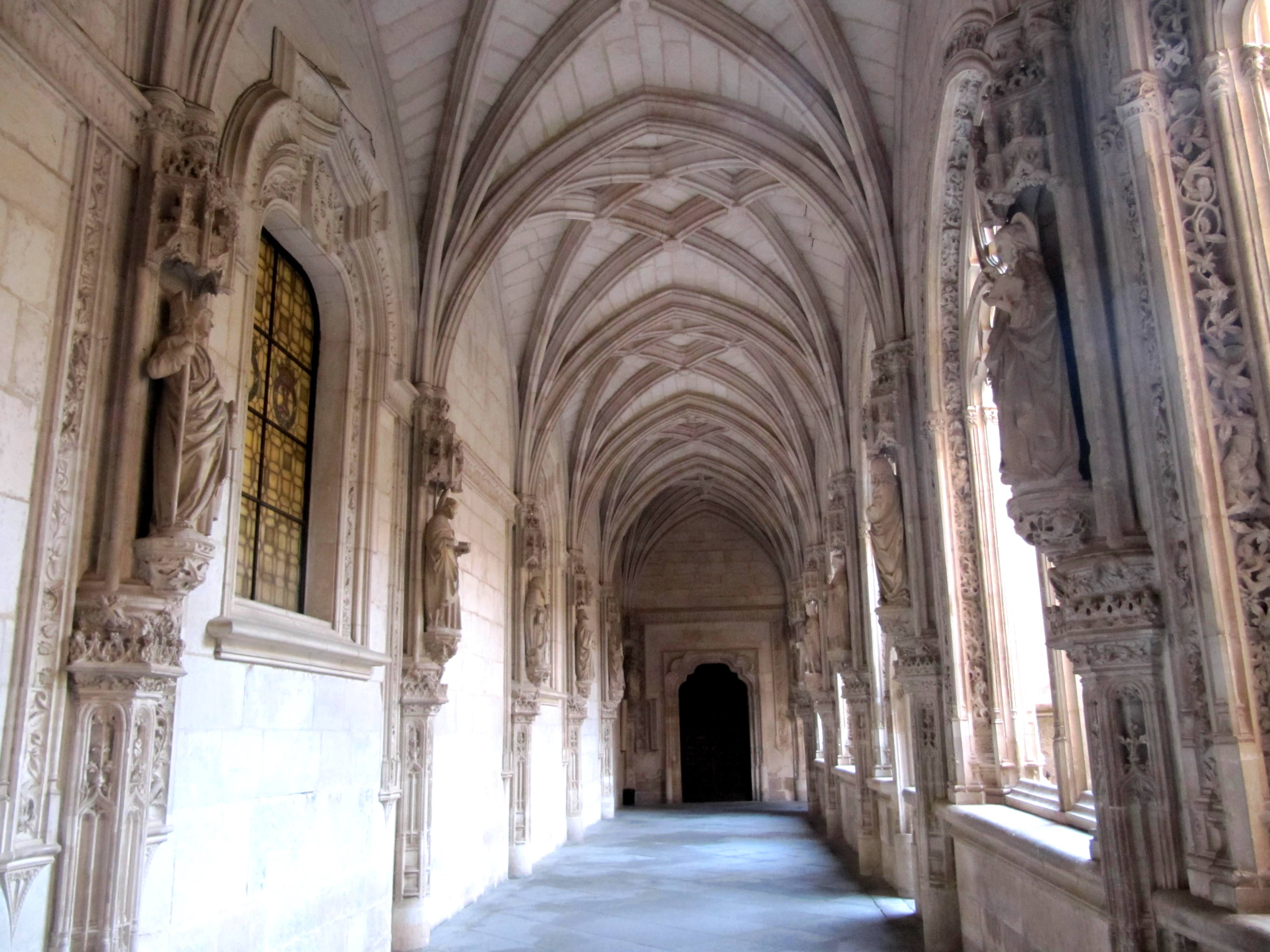
Between Toledo’s Jewish Quarter and the western approach to the old town, San Juan de los Reyes connects a walk above the Tagus with the architecture of the Catholic Monarchs. Its church and cloister deserve a visit of their own, as well as a place on a route to San Martin’s Bridge.
Back to the bridge →
Checked on 10 November 2026
