
Read the church as a whole
Look at the relationship between the nave, vaulting and decoration. Stand back before examining individual details to understand the scale of the interior.
Between Toledo’s Jewish Quarter and the western approach to the old town, San Juan de los Reyes connects a walk above the Tagus with the architecture of the Catholic Monarchs. Its church and cloister deserve a visit of their own, as well as a place on a route to San Martin’s Bridge.
Check admission conditions before arranging other monuments. Treat the visit inside and the outdoor walk to the river as separate parts of your route.
Look at the relationship between the nave, vaulting and decoration. Stand back before examining individual details to understand the scale of the interior.
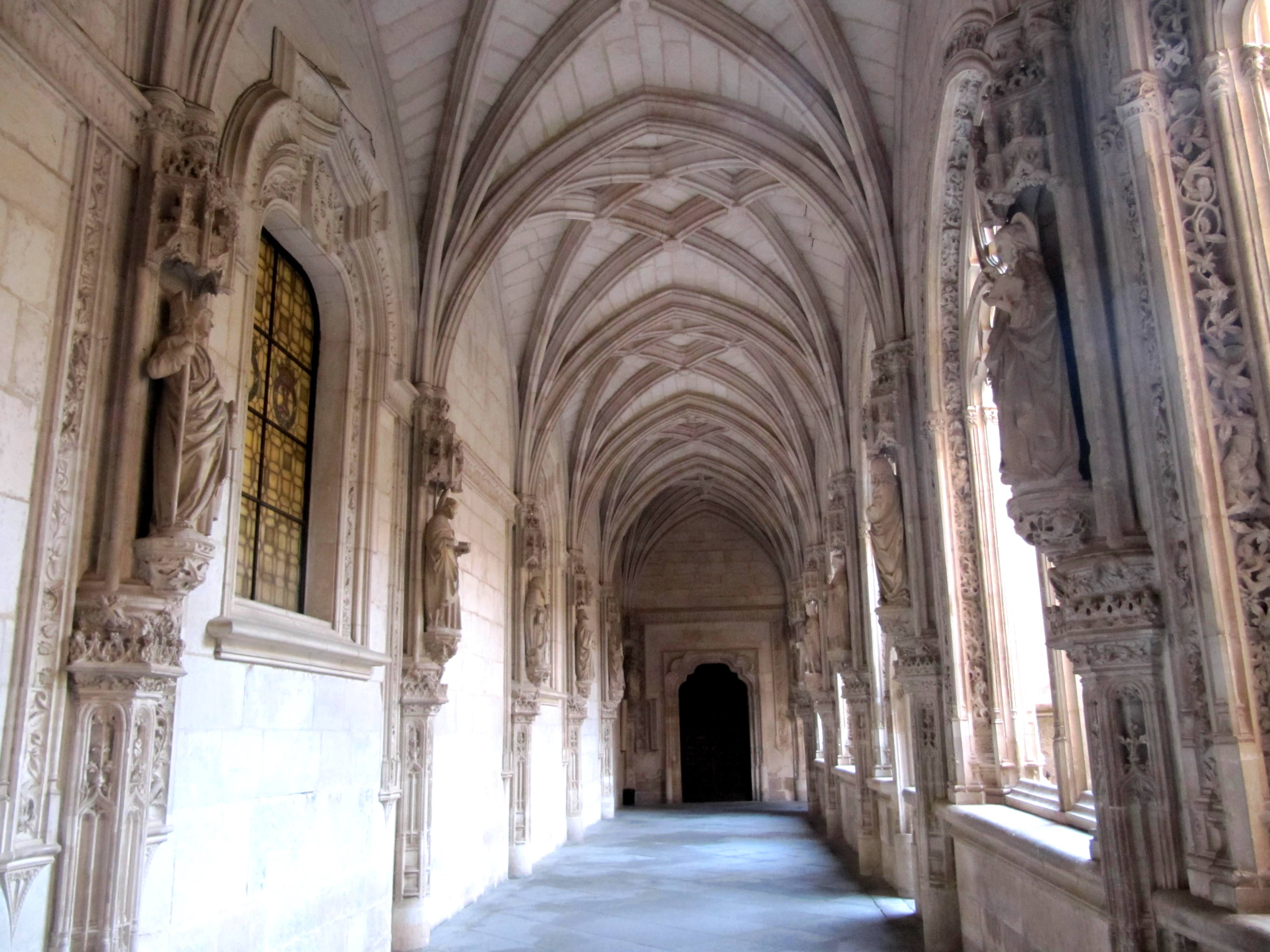
Walk through the cloister slowly, comparing carved stone, ribbed vaults and the way the galleries frame the courtyard.
The Catholic Monarchs commissioned the monastery to commemorate the victory at Toro in 1476. Juan Guas was its principal architect. The building brings together religious devotion, royal representation and elaborate Hispano-Flemish Gothic design. Look at the arrangement of its spaces before focusing on the ornament.
Calle de los Reyes Católicos, 17, Toledo
Historic monument · Toledo Jewish Quarter
Editorial planning suggestion: allow around 45–60 minutes, depending on your pace and the spaces open.
Toledo Monumental →The Toledo tourism listing publishes a €4 general admission. Check the current price and ticket options with Toledo Monumental before purchasing.
Winter opening (16 October to the end of February) is 10:00–17:45; summer opening is 10:00–18:45. The ticket office closes 20 minutes earlier. The monastery closes on 1 January and 25 December, and at 13:00 on 24 and 31 December. Check its page to confirm the hours and closures for your date.
Leave time before closing for entry and for the spaces open to visitors, rather than planning to arrive at the end of the published hours.
Use the monument’s street address as your destination. It is in the western part of the historic centre; from the bridge, plan your walk toward the Jewish Quarter and Calle de los Reyes Católicos.
Old-town streets have slopes and stone paving. Allow a pace that suits your group, and ask the monument directly about any specific access requirements.
If you arrive in Toledo by rail or coach, check the operator’s service for your date and allow separately for the journey into the old town.
Look for the cloister’s ribbed vaults, the octagonal lantern and royal heraldic decoration. Hispano-Flemish Gothic combines Gothic structure with particularly rich ornament. The monastery shows how religious architecture could also express the authority of its royal patrons.
Its connection with the Catholic Monarchs and the Battle of Toro places the building in a defining period of the Castilian monarchy. This gives a different historical perspective from the former synagogues nearby.
One possible sequence is Santa María la Blanca → San Juan de los Reyes → San Martin’s Bridge. Arrange visits with opening hours first and keep the outdoor walk flexible.
For photographs, look for a broad view of the façade from a position that leaves the street clear. Indoors, follow the current photography instructions and give other visitors space.
Finish beside the Tagus to compare the monastery’s monumental presence with the defensive architecture of the bridge. Let the day’s light and your available time guide the photographs.
Continue through the Jewish Quarter: two monuments that reveal Toledo’s architecture and history.
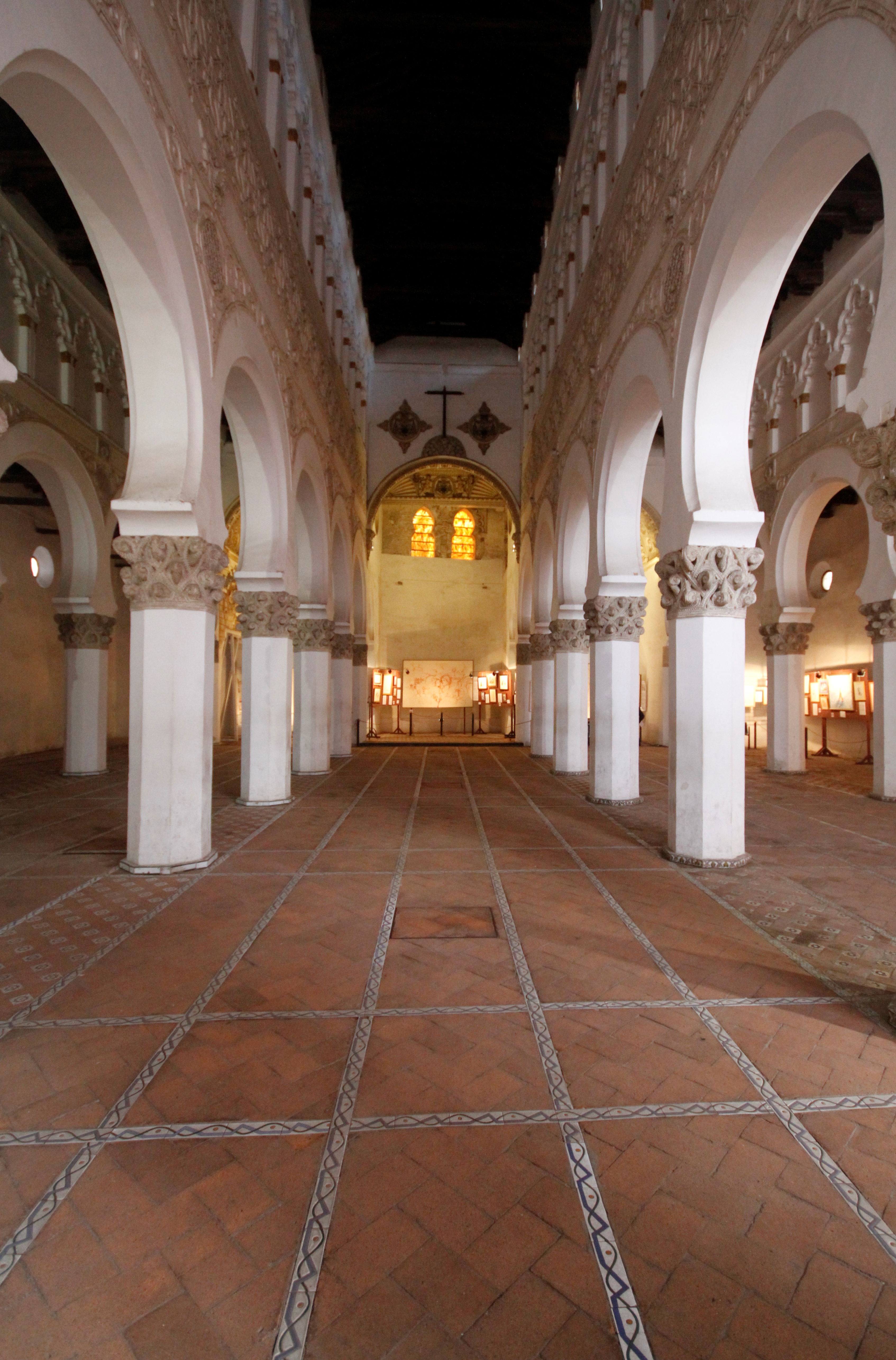
Santa María la Blanca brings a different scale and atmosphere to a walk through Toledo’s Jewish Quarter. The former synagogue rewards a close look at repeating arches and the contrast between columns, capitals and pale surfaces before you continue toward San Juan de los Reyes or the Tagus.
Back to the bridge →
Checked on 10 November 2026
